
Manufacturing of metal bushings
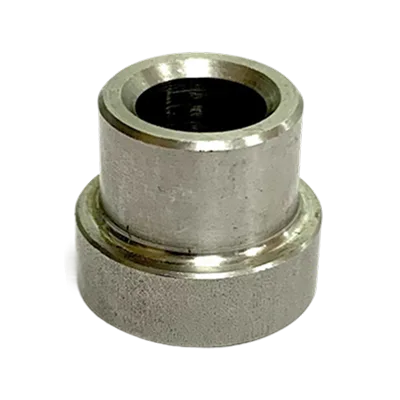
At Lemec, we specialize in the manufacture of metal bushings by cold heading for big batches. Our screw machining division attends to smaller series and can serve as a preliminary step before launching long series by stamping.
As an auxiliary industry, Lemec manufactures to order and according to your drawings and specifications, ensuring customized and high quality solutions
for your industrial needs.





Manufacturing of metal bushings
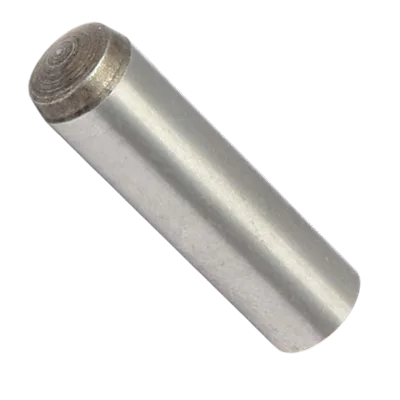
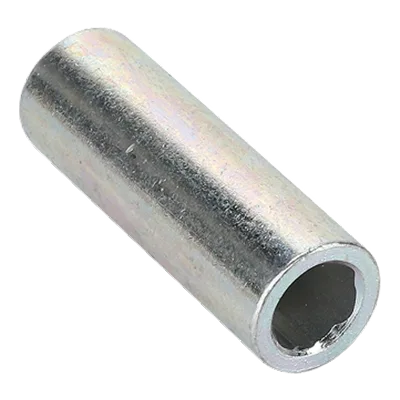
At Lemec, we offer a wide range of metal bushings for virtually any industrial application.
Steel bushings
Steel bushings are ideal for applications requiring high strength and durability.
Stainless steel bushings
We manufacture stainless steel bushings that offer excellent corrosion resistance and are perfect for environments where steel can degrade.
Aluminum bushings
We produce light but robust aluminum bushings, suitable for applications where weight is a crucial factor.
Brass bushings
We offer brass bushings that combine corrosion resistance and an aesthetic appearance, perfect for special applications.
Production of bushings by stamping
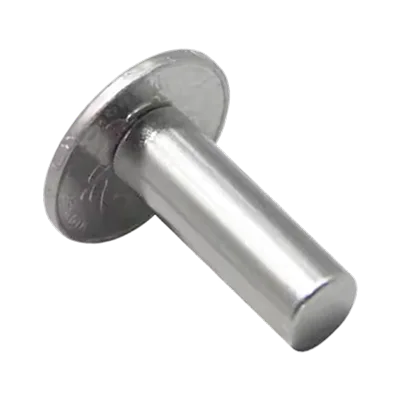
Cold heading is our main technique for the manufacture of bushings in long series, guaranteeing precision and consistency. This process allows us to offer the best value for money.
Manufacturing of bushings by bar turning
For smaller series, we employ screw machining, ensuring precise details and customized specifications for each project.
Frequently asked questions about the manufacturing of metal bushings
What is a metal bushing and what applications is it used in?
What sets a bushing manufacturing company apart from a simple distributor?
What “special bushing” options can be manufactured to drawing?
• Customized geometries (with collar/flange, chamfers, radii, recesses for a retaining ring).
• Additional operations (axial/radial slots, radial holes, countersinks).
• Critical tolerances on inner/outer Ø and concentricity control.
• Application-oriented treatments and finishes (e.g., anti-corrosion).
All of this aimed at manufacturing bushings that fit exactly into the mechanical assembly.
How does the bushing’s geometry influence its performance?
What should the drawing include to quote the manufacturing of metal bushings?
• Material and standards (e.g., stainless steel, bronze, etc.).
• Key dimensions: inner Ø/outer Ø, length and tolerances (e.g., H7, js).
• Quality specifications: concentricity, roughness (Ra), straightness, hardness.
• Geometric details: chamfers, radii, recesses, slots, holes.
• Heat/surface treatments (if applicable) and batch volume/delivery schedule.